

FishtownFish wrapped around the rod of AsclepiusMedicine
Preventive Primary Care
How Care Works
Virtual & Home Visits
Virtual care across 40 states + house calls in Philadelphia
Concierge vs. Direct Care
Zero visit copays, zero hidden fees, relationship model
Send Medical Records
Securely upload prior labs & notes before consultation
Common Questions (FAQ)
PCP scope, insurance, labs & cancellation policies
Services
Primary Care & Acute Visits
Same-day sick visits, refills & comprehensive PCP care
Chronic & Complex Care
POTS, MCAS, Long COVID, Lyme & fatigue workups
Hormones & Endocrine
TRT, thyroid, perimenopause, menopause & PCOS
Metabolic Health & Weight
Advanced lipid testing, GLP-1s & glucose monitoring
Longevity & Prevention
Medicine 3.0 baselines, VO2 max, DEXA & prevention
All Clinical Services
Comprehensive catalogue of 36+ clinical services
Membership
Membership Details
Unlimited direct access, continuous physician care
Billing & Payment FAQ
HSA/FSA eligibility, transparent cancellation policy
About
Meet Dr. Ash
Your Physician
GER·O·SPAN
Our Clinical Framework
Clinical Library & Articles
Evidence-based health guides reviewed by Dr. Ash
What People Say
124 patient reviews across 6 platforms
Contact Dr. Ash
Reach out with questions or book an intro
Patient PortalStart Intake
Integrative Cancer Care
Fishtown Medicine•7 min read
4.96 (124)

Integrative Cancer Care

Ashvin Vijayakumar MD

Medically Reviewed

Ashvin Vijayakumar MD•Updated November 16, 2026
On This Page
  • What is integrative cancer care, and how is it different from "alternative" cancer care?
  • What does the research say about fasting and chemotherapy?
  • How does Fishtown Medicine support cancer patients?
  • What supplements and repurposed drugs are evidence-based?
  • Guidance from the clinic
  • Actionable steps for Philadelphians
  • Common Questions
  • Is fasting during cancer treatment safe?
  • Does sugar feed cancer?
  • Can I do high-dose IV vitamin C alongside chemotherapy?
  • Should I avoid all carbohydrates during cancer treatment?
  • Is exercise really safe during chemotherapy?
  • Will integrative care interfere with my chemotherapy?
  • Can melatonin help during cancer treatment?
  • What is cachexia and why does it matter so much?
  • Deep Questions
  • What is the Warburg effect, and why does it matter?
  • Why does IGF-1 matter so much for cancer?
  • What is the fasting-mimicking diet, and how is it different from regular fasting?
  • Can the ketogenic diet help with cancer?
  • What is "off-label" use of metformin in cancer care?
  • Why is exercise considered "chemotherapy" in functional oncology?
  • How do mushroom extracts (turkey tail, reishi, lion's mane) fit in?
  • What is "differential stress resistance"?
  • Should I worry about specific blood markers during treatment?
  • How do I know if my oncologist is open to integrative care?
  • Can integrative care help with chemotherapy side effects?
  • What is the role of vitamin D in cancer outcomes?
  • Should I take antioxidants during chemo or radiation?
  • ✦Key Takeaways
  • Related at Fishtown Medicine
  • Scientific References

Get a preventive doctor that knows you.

Consult Dr. Ash
TL;DR30-second take

Integrative cancer care adds metabolic and lifestyle therapies (fasting, exercise, targeted supplements, sleep optimization) to standard oncology treatment. The goal is to support the patient and weaken the tumors metabolic flexibility, while always working alongside (never replacing) your oncologist's plan.

TL;DR: Integrative care works alongside standard surgery, chemo, radiation, and immunotherapy. Our team pairs oncology care with short fasts timed around infusions, daily strength work, adequate protein to guard muscle mass, sleep care, and vitamin D optimization. Check every diet shift, herb, or repurposed drug with your Penn, Jefferson, or Fox Chase oncology team first so nothing blunts active cancer treatment.

What is integrative cancer care, and how is it different from "alternative" cancer care?

Integrative cancer care adds proven metabolic and lifestyle tools to standard oncology treatment. Standard cancer care (chemo, radiation, immunotherapy, and surgery) damages tumor DNA directly. Integrative care focuses on tumor fuel supply, patient strength, and recovery between cycles.

Cancer cells depend heavily on steady glucose (the Warburg effect) and growth signals such as IGF-1. Healthy cells adapt easily and switch to burning ketones during short fasts.

That metabolic split creates what researchers call a treatment window. Supervised fasting-mimicking diets alongside standard therapy may stress tumor cells while protecting healthy organs.1

Important: Integrative care works alongside standard oncology and supports active treatment. Always review changes with your oncologist first.

What does the research say about fasting and chemotherapy?

Dr. Valter Longo's lab at USC pioneered the science showing that short-term fasting can protect healthy cells from chemotherapy toxicity, an effect called "differential stress resistance."2

The key idea: chemotherapy attacks fast-dividing cells (hair follicles, gut lining, bone marrow). Longo's research found that when mice and humans fasted before chemo:

  1. Healthy cells detected the lack of food, dropped into a "shield mode," and shut down growth pathways to conserve energy. The chemo had less effect on them.
  2. Cancer cells could not stop growing because of their oncogene mutations. They stayed active and absorbed more of the chemo.
  3. The result: healthy cells were more resilient, while cancer cells became more vulnerable.

Clinical trials at USC, Leiden, and elsewhere have tested this in humans. Results show lower side-effect rates and, in some studies, stronger tumor response.3 The fasting-mimicking diet (FMD) is a 5-day low-calorie meal plan such as ProLon. It delivers fasting benefits without strict water-only fasting.1

How does Fishtown Medicine support cancer patients?

We support you alongside your oncologist. Our role centers on daily nutrition, sleep, movement, and safe lab tracking.

  1. Fasting and FMD timing. We help schedule a 48-to-72-hour fast or a structured FMD like ProLon around infusion cycles, backed by bloodwork.
  2. Targeted nutrition. In select brain tumors such as glioblastoma, nutritional ketosis may starve glucose-hungry tumor cells. Across most cancers, we focus on steady blood glucose, higher protein, and whole foods.
  3. Exercise as therapy. Regular movement acts as strong medicine during treatment. It lifts tumor blood flow for better drug delivery, activates natural killer cells, eases fatigue, and guards muscle during chemo.
  4. Sleep optimization. Steady sleep boosts immune cells, stabilizes mood, and helps you tolerate treatment. We adjust light exposure, sleep timing, and physician-approved melatonin.
  5. Stress and mental health. Nervous-system care supports immune recovery during treatment. We connect patients to counseling and local survivor groups.

What supplements and repurposed drugs are evidence-based?

We use specific tools to address growth pathways, always coordinated with the oncology team to avoid drug interactions. Whether antioxidant supplements help or interfere is the sharpest version of that question during chemotherapy and radiation, and medicinal mushroom extracts sit in the same gray zone.

AgentMechanismEvidence base
MetforminLowers glucose and insulin/IGF-1 signaling.Large observational data in diabetics shows lower cancer incidence and mortality. Active randomized trials in several cancers.4
Melatonin (high dose)Anti-angiogenic, immune-supporting, sleep aid.Meta-analyses suggest improved survival and quality of life in some solid tumors when added to standard care.5
BerberineAMPK activator (similar pathway to metformin).Lab and small clinical data show metabolic benefits and lower glucose uptake in tumor cells.
High-dose IV vitamin CActs as a pro-oxidant at high concentrations.Trials in pancreatic, ovarian, and other cancers show reduced toxicity from chemo and possible synergy. Timing matters.
Omega-3 (EPA/DHA)Reduces cachexia (cancer-related muscle loss) and inflammation.Multiple randomized trials show muscle preservation during chemotherapy.

Guidance from the clinic

Evidence-Based Treatment

Dr. Ash reviews the research - and applies it to your specific biology.

Book a Consultation
Dr. Ash
"You are not a helpless passenger. You are the co-pilot."

I have your back: At Fishtown Medicine, we interpret the tests, explain what they mean, and advocate for you with the rest of your team. You should feel like you have someone in your corner fighting for clarity and access.

A common patient question: "Dr. Ash, my oncologist said diet does not matter."

My response: "Your oncologist is excellent at targeting tumors. My job is making sure your body is in the best possible shape to handle the treatment and recover."

Large institutions are slower to adopt nutritional and metabolic science because it does not fit a tidy clinical trial pipeline. But the data on insulin and IGF-1 driving cancer growth keeps accumulating. We do not fight the oncologist. We complement their tools by making your body a more hostile environment for the tumor and a more resilient one for you.

Actionable steps for Philadelphians

Build your team.

  1. Get an integrative partner. You need someone to monitor your labs (albumin, glucose, lymphocyte counts, vitamin D, ferritin) during treatment. We do this for our cancer patients in close coordination with their oncology team at Penn, Jefferson, Fox Chase, or other centers.
  2. Move every day. A 20-minute walk during chemo cycles reduces fatigue and protects muscle. Local survivor fitness groups like "We Can Row Philly" make consistency easier.
  3. Protect sleep. 7 to 9 hours, with melatonin if your oncology team approves. Sleep is when most repair and immune work happens.
  4. Eat for muscle preservation. 1.0 to 1.2 grams of protein per pound of target body weight per day. Cachexia (cancer-related muscle loss) is a major driver of poor outcomes.

Starve what hurts you. Feed what heals you.

Start your intake with Dr. Ash

✦

Key Takeaways

  1. Integrative oncology pairs conventional cancer care with evidence-based metabolic, immune, and circadian support and never replaces surgery, chemotherapy, or radiation.
  2. Fasting insulin between 3 and 6 uIU/mL and stable glucose help limit hyperinsulinemia-driven growth signaling.
  3. Vitamin D between 70 and 78 ng/mL, resistance training, and consistent dark sleep cycles support immune surveillance and lean mass during treatment.
  4. Coordinate every supplement, fasting window, and off-label agent directly with both your primary physician and oncologist to avoid drug interactions.

Related at Fishtown Medicine

  • Low-Dose Naltrexone Clinical Guide - Mechanisms, dosing, and monitoring for immune and inflammatory modulation.
  • Metabolic Efficiency - How fasting insulin, body composition, and glucose control work together.
  • What Is a Preventive Cardiologist? - Proactive risk management and cardio-oncology protection.

Scientific References

  1. Vernieri C, Longo VD, et al. Cyclic Fasting-Mimicking Diet in Cancer Treatment: Preclinical and Clinical Evidence. Cell Metab. 2024.
  2. Nencioni A, Caffa I, Cortellino S, Longo VD. Fasting and cancer: molecular mechanisms and clinical application. Nat Rev Cancer. 2018;18(11):707-719.
  3. Safdie FM, et al. Fasting and cancer treatment in humans: A case series report. Aging (Albany NY). 2009;1(12):988-1007.
  4. Christofides A, et al. The role of metformin in the management of patients with cancer. Curr Pharm Des. 2018;24(5):665-677.
  5. Cao Y, et al. Light at night, melatonin and cancer risk: a systematic review and meta-analysis. Eur J Cancer Prev. 2019.

Medical Disclaimer: This resource provides clinical context for educational purposes. In the world of precision medicine, there is no "one size fits all"; the right protocol must be matched to your unique lab work, physiology, and goals. Consult Dr. Ash and your oncologist to determine if this approach fits your care plan, above all during active cancer treatment.
Ashvin Vijayakumar MD (Dr. Ash)

Fishtown Medicine | Treatments

2418 E York St, Philadelphia, PA 19125·(267) 360-7927·hello@fishtownmedicine.com·HSA/FSA Eligible

Start Your Intake

Frequently Asked Questions

Common Questions

Fasting during cancer treatment can be safe and may be beneficial, but only under medical supervision and only for the right patients. If you are cachectic (already losing weight unintentionally) or underweight, fasting is dangerous. For patients who are overweight or normal weight with strong nutritional reserves, supervised fasting around chemo cycles can reduce side effects and may improve treatment response. Always coordinate with your oncologist.
Sugar does not directly feed cancer in the way the internet often claims, but it does indirectly. High blood sugar drives high insulin and high IGF-1, both of which promote cancer cell growth and survival. Lowering refined sugar and refined carbohydrates reduces those signals. The right framing is not "sugar causes cancer" but "chronic high insulin makes a tumors environment more favorable."
Yes, high-dose IV vitamin C is a common and well-studied integrative oncology adjunct, but timing matters. At pharmacologic doses (25 to 100 grams IV), vitamin C acts as a pro-oxidant that can selectively damage cancer cells. It is generally given on non-chemo days to avoid interfering with the oxidative mechanism of certain chemotherapies. Always coordinate with your oncology team.
No, you should not avoid all carbohydrates during cancer treatment unless you are under specific guidance for a ketogenic protocol (most often used in glioblastoma). Most patients do best with a Mediterranean-style approach: lower-glycemic carbs (vegetables, legumes, berries, whole grains) plus adequate protein and healthy fats. Drastic carb restriction without medical supervision can drive weight loss and worsen muscle wasting.
Yes, exercise is safe and beneficial during chemotherapy for most patients. Multiple large studies and the American College of Sports Medicine guidelines confirm that regular movement during treatment reduces fatigue, depression, anxiety, and treatment-related muscle loss. The intensity and type should be matched to your blood counts (particularly platelets and hemoglobin) and your treatment cycle, but doing nothing is rarely the right answer.
Integrative care will not interfere with chemotherapy if it is coordinated with your oncology team. The risk shows up when patients take supplements, antioxidants, or "natural" therapies without telling their oncologist. Some antioxidants (high-dose vitamin E, NAC, certain mushroom extracts) can theoretically blunt the oxidative effects of certain chemotherapies. We always check the timing and the specific regimen.
Yes, melatonin has reasonable evidence as an adjunct in cancer care. Multiple meta-analyses show that high-dose melatonin (often 10 to 20 milligrams nightly) added to standard treatment may improve survival, reduce side effects, and help with sleep. It is generally well tolerated and inexpensive. We dose it based on your specific cancer type and oncologists input.
Cachexia is cancer-related muscle and weight loss, and it is one of the strongest predictors of poor cancer outcomes. Up to 80% of advanced cancer patients develop some degree of cachexia, and it is responsible for a significant portion of cancer deaths. Preventing it requires a high protein intake (1.0 to 1.2 grams per pound), resistance training, and addressing inflammation. Once cachexia takes hold, it is much harder to reverse.

Deep-Dive Questions

Cancer cells preferentially burn sugar through glycolysis even when oxygen is present. Otto Warburg first mapped this fuel preference, now seen as a core tumor trait. It explains why glucose-based PET scans glow over active tumors and why metabolic diets matter.
IGF-1 (insulin-like growth factor 1) pushes cells to divide and resist normal cell death. High IGF-1 levels track with higher breast, prostate, and colon cancer rates. Because insulin shares IGF-1 pathways, high blood insulin amplifies growth signaling. Lowering IGF-1 through timed fasts and exercise slows that push.
The fasting-mimicking diet (FMD), created by Valter Longo, is a 5-day low-calorie meal plan such as ProLon. It triggers fasting blood shifts without forcing a zero-calorie water fast. Patients tolerate FMD cycles better and hold on to muscle strength. Clinical trials in oncology test structured FMD kits far more often than water fasts.
Keto shows its clearest promise in glioblastoma brain tumors when paired with standard oncology care. Results across other solid tumors remain mixed. Because strict keto can trigger weight loss or lipid changes, only follow a medical keto plan supervised by clinicians who track labs closely.
Metformin is a diabetes medicine studied widely in oncology for lowering insulin, lowering IGF-1, and activating cellular AMPK switches. Active trials examine metformin in breast, colon, and prostate cancer care. For cancer patients with pre-diabetes or high fasting insulin, we weigh metformin off-label directly with the oncologist.
Exercise is sometimes called "chemotherapy" in functional medicine circles because it has measurable, drug-like effects on cancer biology. It boosts natural killer cells, improves blood flow to tumors (which can enhance chemo delivery), reduces inflammation, lowers insulin and IGF-1, and preserves muscle. Large epidemiologic cohorts consistently link exercise during and after cancer treatment to lower recurrence and mortality, often by 25% to 40%.
Some medicinal mushroom extracts have moderate evidence as immune modulators in cancer. Turkey tail (PSK/Krestin) is approved as a cancer adjunct in Japan with decades of clinical use, particularly in colorectal and gastric cancers. Reishi, lion's mane, and maitake have less strong data but show immune-supporting effects in lab and animal studies. Quality varies enormously between products, so source matters.
Differential stress resistance is the principle that healthy cells and cancer cells respond differently to a stressor like fasting. Healthy cells, when starved, drop into a protective shield mode and pause growth. Cancer cells, locked into growth by their mutations, cannot pause; they remain vulnerable. Pairing fasting with chemo on the right schedule may protect normal tissue while concentrating chemos effect on the tumor.
Yes. We watch lymphocyte counts (immune function), albumin (nutrition status), ferritin (inflammation), CRP (systemic inflammation), vitamin D (immune and outcome marker), glucose and insulin (metabolic environment), and HbA1c. Trends matter more than single readings. We aim to keep nutrition and immunity strong without interfering with the oncology plan.
You can usually tell with one direct, respectful conversation. Bring a short list of what you are doing or considering (a fast around chemo cycles, melatonin, vitamin D, exercise, diet) and ask their thoughts. Many oncologists are open to integrative care when it is coordinated and evidence-based. If yours is dismissive of every lifestyle factor, that is a clue to find a co-managing physician (which is part of what we do at Fishtown).
Yes, integrative care can meaningfully reduce common chemo side effects. Ginger and acupuncture help with nausea, exercise reduces fatigue, glutamine helps with mouth sores, omega-3s preserve muscle, and melatonin and acupuncture both help with sleep. The right combination depends on the chemo regimen and the patient, so we build the plan cycle by cycle.
Vitamin D plays a meaningful role in cancer outcomes, particularly in colorectal, breast, and prostate cancers. Low vitamin D at diagnosis is associated with worse survival in multiple cancer types. Whether supplementation improves outcomes is still debated, but the safety, low cost, and broader benefits make it a reasonable target. We aim for serum 25-OH vitamin D levels in the 70 to 78 ng/mL range during treatment.
Antioxidants during chemo or radiation are nuanced. Some chemotherapies and radiation work by generating oxidative stress in cancer cells, so high-dose antioxidants taken at the same time could theoretically reduce treatment effectiveness. Other phases of treatment may benefit from antioxidant support to reduce damage to healthy tissue. The simple rule: time antioxidants away from active treatment days, and always coordinate with your oncology team.

Ready when you are

Start your intake

The chat is our AI assistant, answering from our published guides. To talk it through with Dr. Ash himself, start with the intake.

Related Intelligence

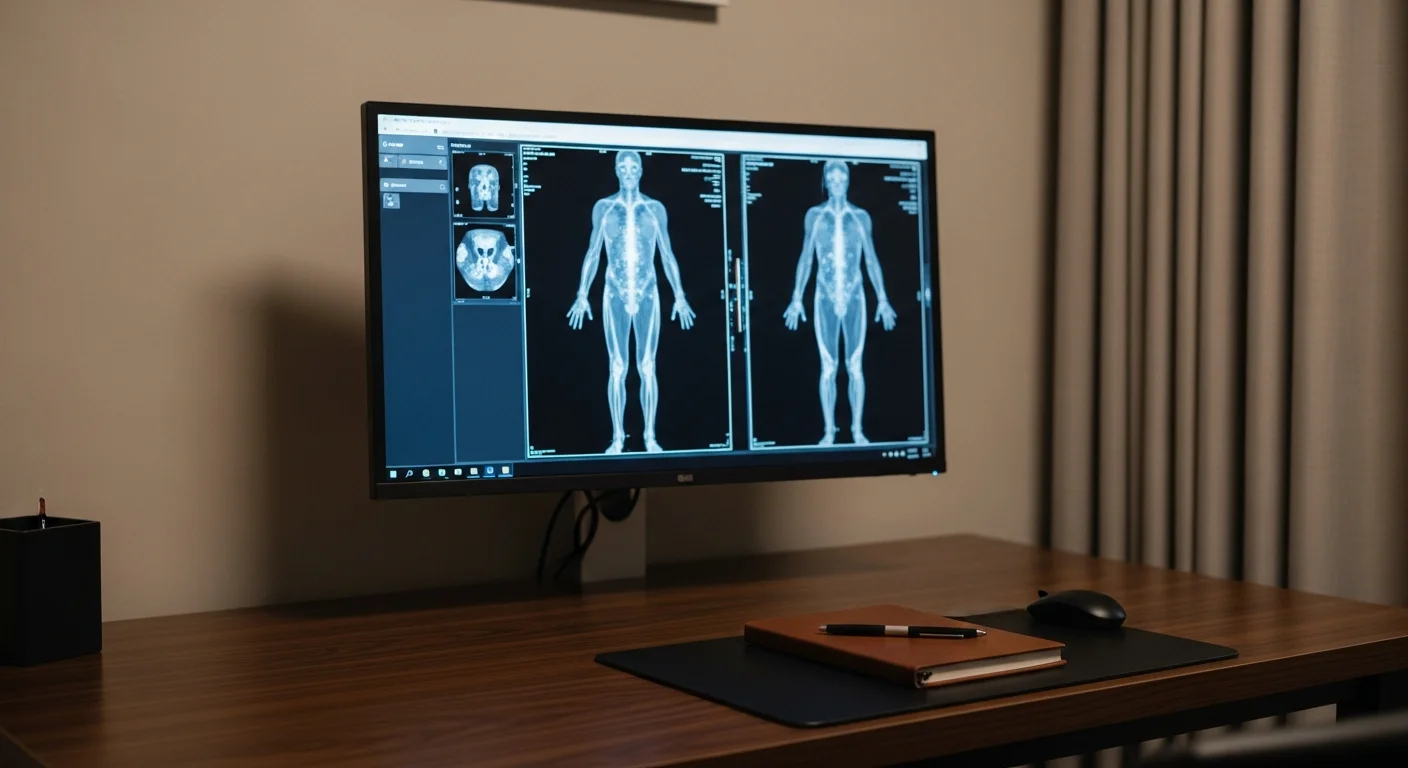
Early Cancer Detection and Whole Body MRI Philadelphia | Medicine 3.0

Early Cancer Detection and Whole Body MRI Philadelphia | Medicine 3.0

Go beyond standard cancer screening. A Philadelphia primary care practice using liquid biopsies and whole-body MRI to find disease earlier.

Read Deep Dive
Your Relationship With Yourself: The Ground of Every Health Change | Fishtown Medicine

Your Relationship With Yourself: The Ground of Every Health Change | Fishtown Medicine

The relationships that shape your health reach beyond other people. The first one is with yourself: the story you tell, whether you choose yourself, and how you talk to yourself when it is hard. Why that relationship decides whether a health change sticks, from Fishtown Medicine in Philadelphia.

Read Deep Dive
Social Health Is Healthspan: What 80+ Years of Research Says About Relationships and Longevity

Social Health Is Healthspan: What 80+ Years of Research Says About Relationships and Longevity

More than 80 years of research connects relationships and community to how long and how well you live. A Philadelphia doctor on what to do about it day to day.

Read Deep Dive

New patients

Talk it through with Dr. Ash.

Share where your weight and energy are now, what you have tried, and what you want the next year to look like. Dr. Ash reads every intake personally.

HSA/FSA eligible
No initiation or cancellation fees
No copays
Tell Dr. Ash what’s going on →
FishtownFish wrapped around the rod of AsclepiusMedicine
Preventive Primary Care
2418 E York St, Philadelphia, PA 19125(267) 360-7927Primary care in PhiladelphiaHome visits in Greater PhiladelphiaPricing & MembershipGER·O·SPAN: our clinical frameworkDigital Health LiteracyClinical Evidence & Research

Serving Fishtown · Northern Liberties · East Kensington · Olde Richmond · Port Richmond · Old City · Callowhill · Poplar · Center City · Center City West · Art Museum · Bella Vista · Chestnut Hill · Fairmount · Fitler Square · Graduate Hospital · Logan Square · Manayunk · Queen Village · Rittenhouse · Roxborough · Society Hill · Southwark · Bryn Mawr, PA · Gladwyne, PA · Villanova, PA · Wayne, PA · Cherry Hill, NJ · Haddonfield, NJ · Medford, NJ · Moorestown, NJ · Voorhees, NJ

Explore by topic

Women’s Health
  • Perimenopause
  • Menopause 3.0
  • PCOS
  • Fertility
Men’s Health
  • Testosterone (TRT)
  • Sleep Apnea & Low T
  • Andropause
  • Low Libido
Metabolic
  • Medical Weight Loss
  • Ozempic vs Metformin
  • Fasting Protocols
  • Visceral Fat
Cardiovascular
  • apoB & Heart Health
  • apoB vs LDL
  • Lp(a) Cholesterol
  • ED & Heart Risk
Longevity + Performance
  • Healthspan vs Lifespan
  • Biological Age
  • VO2 Max
  • Zone 2 Training
Supplements
  • Magnesium
  • Creatine
  • Omega-3
  • Foundational Stack
  • Supplement Guides

Tools, pricing & comparisons

Tools & Guides

  • Normal vs. Optimal Lab Checker
  • Curated Clinical Packets
  • Playbooks & Protocols
  • Clinical Evidence & Research
Pricing & Labs
  • Pricing & Membership
  • 90% Wholesale Quest Labs
  • Cost-Plus Meds & Labs
  • HSA & Open Enrollment Calculator
Compare
  • Primary Care Models
  • Concierge vs. DPC
  • vs. Function Health
  • vs. One Medical
  • vs. Parsley Health
  • Urgent Care Alternative
Who We Care For
  • Primary Care in Philadelphia
  • Hospitality Leadership
  • Philadelphia Dads
  • Sports Club Medicine
Care in Philadelphia +
Direct Primary Care in Philadelphia, PAConcierge Medicine in Philadelphia, PAConcierge vs DPC in Philadelphia, PALongevity Medicine in Philadelphia, PAPreventive Care in Philadelphia, PAExecutive Physical in Philadelphia, PAAnnual Physical in Philadelphia, PAHealthspan Optimization in Philadelphia, PAFunctional Medicine in Philadelphia, PASame-Day Sick Visits in Philadelphia, PATestosterone Replacement Therapy in Philadelphia, PAPerimenopause Care in Philadelphia, PAMenopause Care in Philadelphia, PAThyroid Treatment in Philadelphia, PAPCOS Care in Philadelphia, PAGLP-1 Weight Loss in Philadelphia, PAMetabolic Health in Philadelphia, PAHormone Optimization in Philadelphia, PAAdvanced Lipid Testing in Philadelphia, PAVO2 Max Testing in Philadelphia, PADEXA Scan in Philadelphia, PACGM in Philadelphia, PALong COVID Care in Philadelphia, PAChronic Fatigue Treatment in Philadelphia, PAPOTS Treatment in Philadelphia, PAMCAS Treatment in Philadelphia, PALyme Disease Care in Philadelphia, PABrain Fog Treatment in Philadelphia, PASleep Disorders Treatment in Philadelphia, PAStrep Throat Treatment in Philadelphia, PAUTI Treatment in Philadelphia, PASinus Infection Treatment in Philadelphia, PASTI Testing in Philadelphia, PATravel Medicine in Philadelphia, PAPre-Op Clearance in Philadelphia, PASports Club Medicine in Philadelphia, PA

Made it this far? You’re already most of the way there. let’s get started → Dr. Ash reads every word personally.

Content is for educational purposes only and does not constitute medical advice.

TermsPrivacyScope of PracticeClinical IndependenceCare NetworkResearch & Monographs